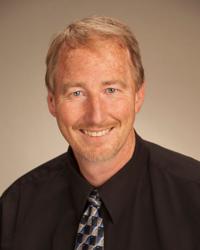
David K. Klee, MD
Family Medicine
Highlights
Age Groups Seen
- Newborn
- Pediatrics
- Adolescents
- Adults
- Geriatrics
Languages
- English
Gender
MaleAffiliations
- Munson Healthcare Cadillac Hospital
- Munson Medical Center
About David K. Klee
David Klee, MD, FAAFP, is the Community Assistant Dean for the Michigan State University College of Human Medicine Traverse City Campus, Associate Program Director for Munson Family Medicine Residency Program, and a family medicine physician.
He chose family medicine for the ability to develop continuity relationships with patients of all ages and practice a wide breadth of medicine. He enjoys getting to know his patients and walking beside them on their medical journeys.
“I am very committed to my patients and treat them as I would my family. I have diverse interest and experiences in medicine, including working with street medicine as well as rural and international program. I am also active in simulation, clinical research, and population health.”
Dr. Klee is married to his wife Christina. They have a son, Elijah and three dogs, Jellie Bean, Bentley, and Buddie. In his free time, he enjoys spending time with his family, gardening, running, soccer, and cross-country skiing.
Florida Telehealth Legal Statement
Video
Training & Certifications
Education
- Residency: MidMichigan Regional Medical Center, Family Medicine, 2000
- Medical Education: University of Minnesota Medical School, 1997
Board Certifications
- Family Medicine: American Board of Family Medicine, 2000
Insurance
- Aetna
- ASR
- Blue Care Network
- Blue Cross Blue Shield
- Blue Cross Complete
- Cigna
- Cofinity
- Health Alliance Plan (HAP, ASR)
- Humana
- McLaren
- Medicaid
- Medicare
- Meridian
- Molina
- Priority Health
- Priority Health Medicaid
- Provider Network of America PPO
- Tricare/Humana Military
- United Healthcare Community Plan
- United Healthcare/Optum VACCN