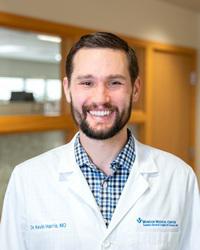
Kevin J. Harris, MD
Trauma SurgeryBariatric SurgeryGeneral Surgery
Highlights
Languages
- English
Gender
MaleAffiliations
- Copper Ridge Surgery Center
- Munson Medical Center
About Kevin J. Harris
Kevin Harris, MD, is a Michigan native from Grand Rapids.
"I chose to practice surgery because I am able to work with both my head and my hands to help others."
Dr. Harris' favorite part of being a surgeon is the ability to improve the lives of his patients. This is particularly true of bariatric surgery which can add years to a patient's life expectancy, prevent heart attacks, strokes, many kinds of cancer, and liver disease, and potentially cure diseases such as diabetes, high blood pressure, high cholesterol, and sleep apnea.
In his free time, Dr. Harris enjoys hiking, backpacking, and tandem biking with his wife Katie and dog Murphy.
Video
Locations
- 1221 Sixth Street, Suite 300, Traverse City, MI 49684
- Get Directions
- phone: 231-935-2400
- Munson Medical Center Trauma and Acute Care Surgery Program
- 1105 Sixth Street, Traverse City, MI 49684
- Get Directions
- phone: 231-935-5000
- fax: 231-392-0039
Training & Certifications
Education
- Fellowship: Advanced Laparoscopic Surgical Associates, Bariatric Surgery, 2022
- Residency: OhioHealth, General Surgery, 2021
- Medical Education: Michigan State University College of Human Medicine, 2016
- Undergraduate Education: Calvin College, 2012
Board Certifications
- Surgery (General Surgery): American Board of Surgery, 2022
Insurance
- Aetna
- ASR
- Blue Care Network
- Blue Cross Blue Shield
- Blue Cross Complete
- Cigna
- Cofinity
- Health Alliance Plan (HAP, ASR)
- Humana
- McLaren
- Medicaid
- Medicare
- Meridian
- Molina
- Priority Health
- Priority Health Medicaid
- Provider Network of America PPO
- Tricare/Humana Military
- United Healthcare Community Plan
- United Healthcare/Optum VACCN
Ratings & Reviews
4.7 out of 5
68 ratingsThe Patient Satisfaction Rating is an average of all responses to the care provider related questions shown below from our survey. Patients that are treated in outpatient or hospital environments may receive different surveys, and the volume of responses will vary by question.